

Introduce new experiences gradually, keep them manageable and ask your veterinarian which settings are appropriate for your puppy.
Why the early weeks matter more than later ones
The first three months are especially important for puppy socialization, according to the American Veterinary Society of Animal Behavior. Introduce new experiences safely without overwhelming your puppy. Socialization should continue as your dog grows; it does not end at a fixed age.
That's also why we start training as soon as a puppy comes home rather than waiting for a certain age. A few simple skills early keep you a step ahead of problems instead of correcting them after they've formed.
What to prioritize
Introduce a variety of people, sounds, surfaces and gentle handling at a pace your puppy can manage. Ask your veterinarian about vaccination, parasite prevention and suitable settings before attending classes or meeting unfamiliar dogs.
Have a dog who could use this?
Start with a 2–3 hour evaluation and first training visit at your home, $199, included in every package.
What to skip
Avoid overwhelming encounters and high-traffic dog parks with dogs of unknown health status. If your puppy is fearful, increase distance and ask your veterinarian for guidance.
Where structured training fits in
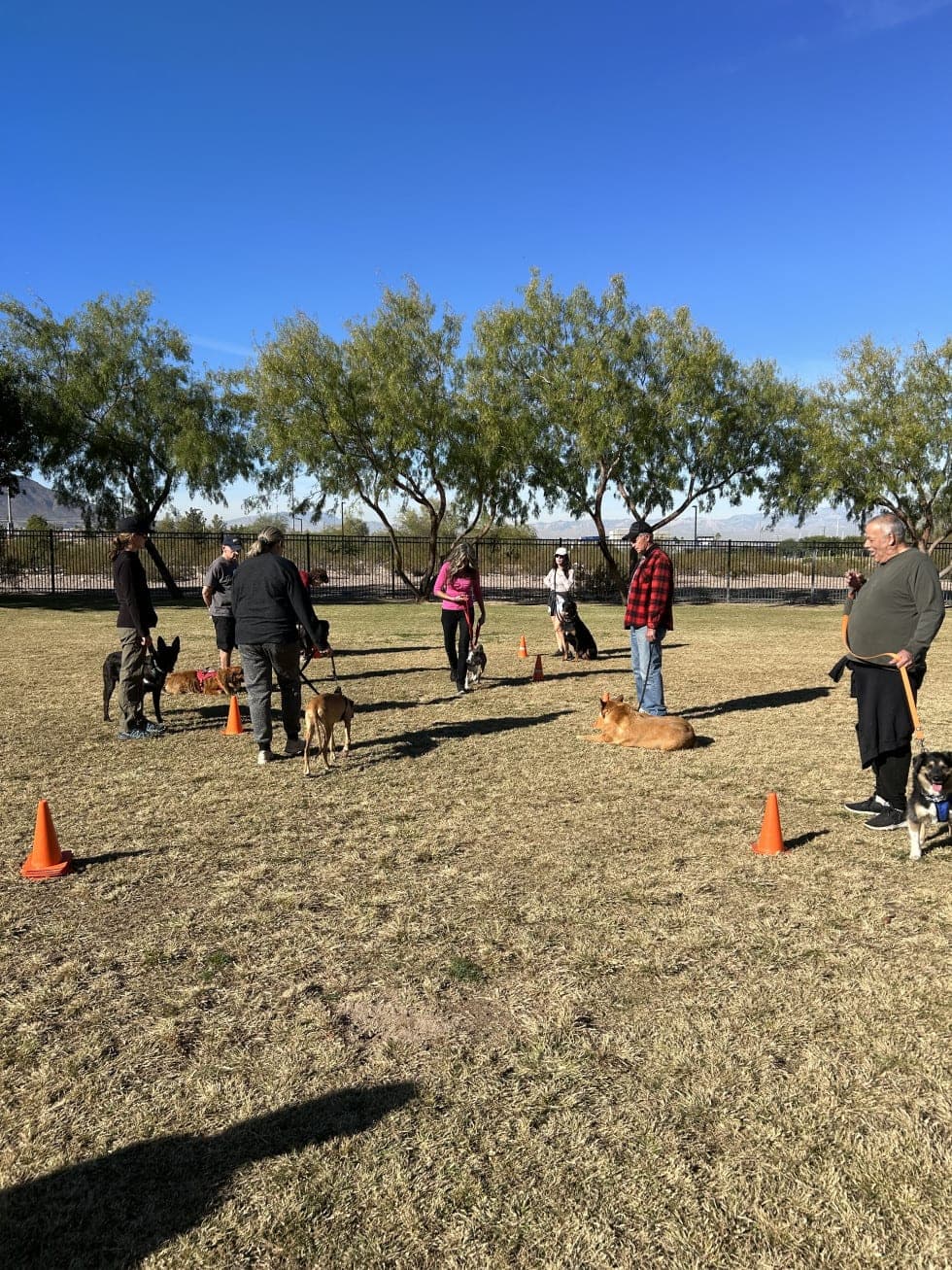
Start with instruction at home. The Puppy–Adult Fundamentals package includes 15 seasonal group gatherings, while Basics offers groups as an add-on. Ask Ira and your veterinarian when your puppy is ready for group practice at Bark Park.
Related training

About the author
Ira Smith
Owner & Certified Professional Dog Trainer
USAF veteran dog handler, training dogs since 1974, 52+ years. AKC evaluator and S.T.A.R. Puppy instructor, Alliance of Therapy Dogs national tester, IAADP provider member.